Can Solar Generators Power a House?
As energy prices rise and more homeowners look for eco-friendly solutions, solar power is becoming a top choice across the United States. You might have seen portable solar panels or solar batteries before, but can a solar powered generator actually power your whole house?
Let’s break down how solar generators work, what they can (and can’t) do, and whether they’re a smart investment for your home.
What Is a Solar Generator?
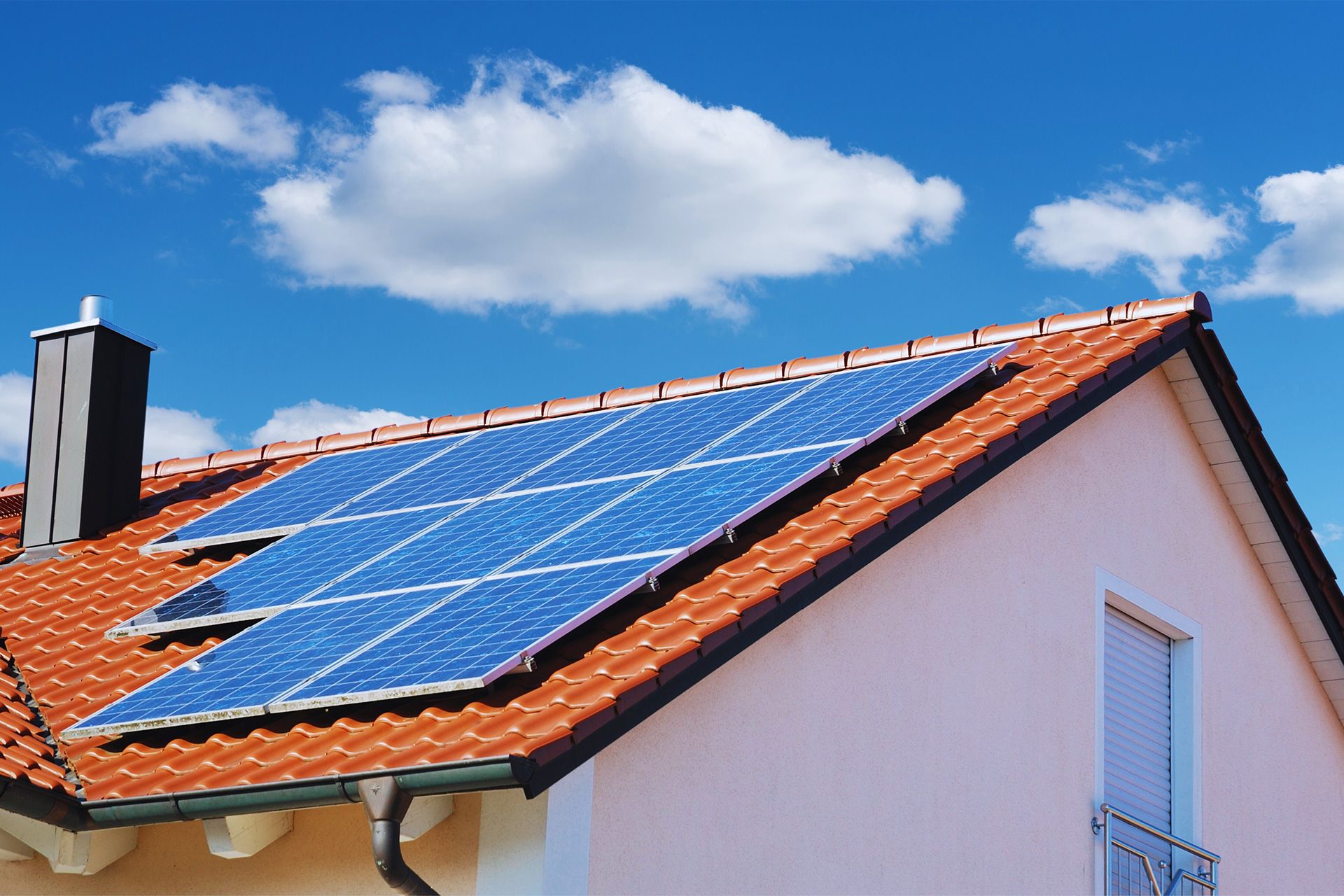
A solar generator is a device that captures sunlight through solar panels and converts it into usable electricity. Unlike gas or diesel generators, which burn fuel, a solar generator uses clean, renewable energy from the sun.
A typical system includes:
- Solar panels: to collect sunlight.
- Battery storage: to store the power for later use.
- Charge controller: to regulate the electricity and protect the batteries.
- Inverter: to convert stored power into electricity that can run your household appliances.
Essentially, it’s a quiet, low-maintenance, and eco-friendly way to keep your home running during power outages or even full-time if sized correctly.
Can a Solar Generator Power a Whole House?
The short answer is yes but it depends on your home’s energy needs and the size of the solar generator.
A small, portable solar generator can easily handle essentials like:
- Lights
- Wi-Fi router
- Phone and laptop charging
- Small refrigerator
However, to power an entire house, including air conditioning, kitchen appliances, and water heating, you’ll need a large-capacity solar generator system with multiple batteries and solar panels.
Let’s look at how to figure out what you need.
Step 1: Calculate Your Power Usage
Every home uses a different amount of energy. The U.S. Energy Information Administration (EIA) reports that the average American home uses about 877 kWh per month, or roughly 29 kWh per day.
To power your home with a solar generator, you’ll need enough battery capacity and solar panel output to cover that amount. For example:
- A
5,000-watt solar generator can power most small and medium appliances but may not sustain a large home for more than a few hours.
- For
full-day coverage, you may need a
whole-home solar system with multiple high-capacity batteries.
If you only want backup power during outages, a smaller generator may be all you need.
Step 2: Understand Power Ratings
Solar generators are measured in watts (W) and watt-hours (Wh).
- Watts tell you how much power it can output at one time.
- Watt-hours tell you how much energy it can store.
For example, a 2,000Wh solar generator can run a 100W refrigerator for about 20 hours (2,000 ÷ 100 = 20).
This helps you plan which appliances you can run and for how long.
Step 3: Know the Limitations
While solar generators are excellent for reducing your carbon footprint, they do have limits.
Challenges include:
- Charging time: Solar generators depend on sunlight, so cloudy days may slow charging.
- Battery size: Most models can’t store enough power to run high-demand systems like central HVAC units for long periods.
- Upfront cost: A high-quality solar generator system can cost several thousand dollars.
However, federal and state solar tax credits can reduce your costs significantly, making solar more affordable for homeowners.
Benefits of Solar Powered Generators
Despite some limits, solar generators offer major advantages that make them attractive for U.S. homeowners:
1. Eco-Friendly Energy
Solar generators produce zero emissions, helping reduce your carbon footprint and air pollution.
2. Quiet and Low Maintenance
Unlike noisy gas generators, solar generators are silent and don’t require oil changes or fuel storage.
3. Energy Independence
You can produce your own power, especially useful during grid outages or natural disasters.
4. Long-Term Savings
Once installed, solar power is free, and you’ll save on monthly energy bills.
5. Scalability
You can start small and expand your setup as your power needs or budget grow.
How Long Can a Solar Generator Run a House?
The run time depends on the battery capacity and the power draw of your home.
For example:
- A
3,000Wh solar generator can run a small refrigerator (200W) for about 15 hours.
- A
10,000Wh generator could power basic home functions (lights, fans, fridge, and electronics) for a full day.
If you connect multiple batteries and solar panels, you can extend the runtime to several days making it a reliable backup during storms or emergencies.
Solar Generator vs. Gas Generator: Which Is Better?
Even with the best thermostats, small issues can occur. Here’s how to handle them:
| Feature | Solar Generator | Gas Generator |
|---|---|---|
| Power Source | Sunlight | Gasoline/Diesel |
| Noise Level | Silent | Loud |
| Fuel Cost | Free | Ongoing |
| Maintenance | Minimal | Regular oil and fuel checks |
| Environmental Impact | Zero emissions | Produces fumes |
| Backup Duration | Depends on sunlight | Runs as long as fuel lasts |
For short-term emergency power, gas generators are still strong contenders. But for long-term, eco-friendly, and silent operation, solar generators for houses are the future.
Who Should Consider a Solar Generator for Home Use?
You may benefit from a solar generator if you:
- Live in an area with frequent power outages
- Want to reduce your electricity bills
- Prefer an eco-friendly energy option
- Own an RV, cabin, or off-grid home
- Need backup power for medical devices or home offices
- For many homeowners, a solar generator provides peace of mind and energy independence without relying on fossil fuels.
Choosing the Right Solar Generator for Your House
When shopping for a solar generator, consider these factors:
- Power Capacity: Check the wattage and watt-hour ratings.
- Battery Type: Lithium-ion batteries are the most efficient and long-lasting.
- Solar Input: Higher input means faster charging.
- Portability: Choose a compact model if you plan to move it around.
- Expandability: Look for systems that allow adding extra solar panels or batteries.
- Warranty and Support: Choose trusted brands that offer long-term warranties and U.S.-based customer service.
Are Solar Generators Worth It?
If you live in a sunny area and want reliable, quiet, and eco-friendly backup power, a solar generator for your house can be an excellent investment.
While it might not replace your main grid connection entirely, it’s a great way to reduce dependence on fossil fuels and protect your home from power outages.
Final Thoughts
Solar powered generators are changing how Americans think about home energy. Whether you need backup power for emergencies or want to live more sustainably, solar generators offer clean, quiet, and reliable performance for your home.
Looking to power your home the smart, sustainable way?
Contact GNV today to explore the best solar generator options for your house!
FAQs About Solar Powered Generators
Can a solar generator run an air conditioner?
Yes, but you’ll need a high-capacity generator and multiple batteries since air conditioners use a lot of power.
How long does it take to charge a solar generator?
Charging time varies—typically 6–12 hours in direct sunlight, depending on solar panel size and weather.
Are solar generators safe to use indoors?
Absolutely! Unlike gas generators, solar generators produce no harmful fumes or emissions.
Can I use a solar generator while it’s charging?
Yes, most models support “pass-through charging,” allowing you to use stored energy while charging.
Do solar generators work at night?
They don’t collect sunlight at night but can still power your home using stored battery energy.
Disclaimer: The information on this website and blog is for general informational purposes only and is not professional advice. We make no guarantees of accuracy or completeness. We disclaim all liability for errors, omissions, or reliance on this content. Always consult a qualified professional for specific guidance.
Search Blog
Recent Posts