Top Signs Your HVAC Ductwork Is Leaking
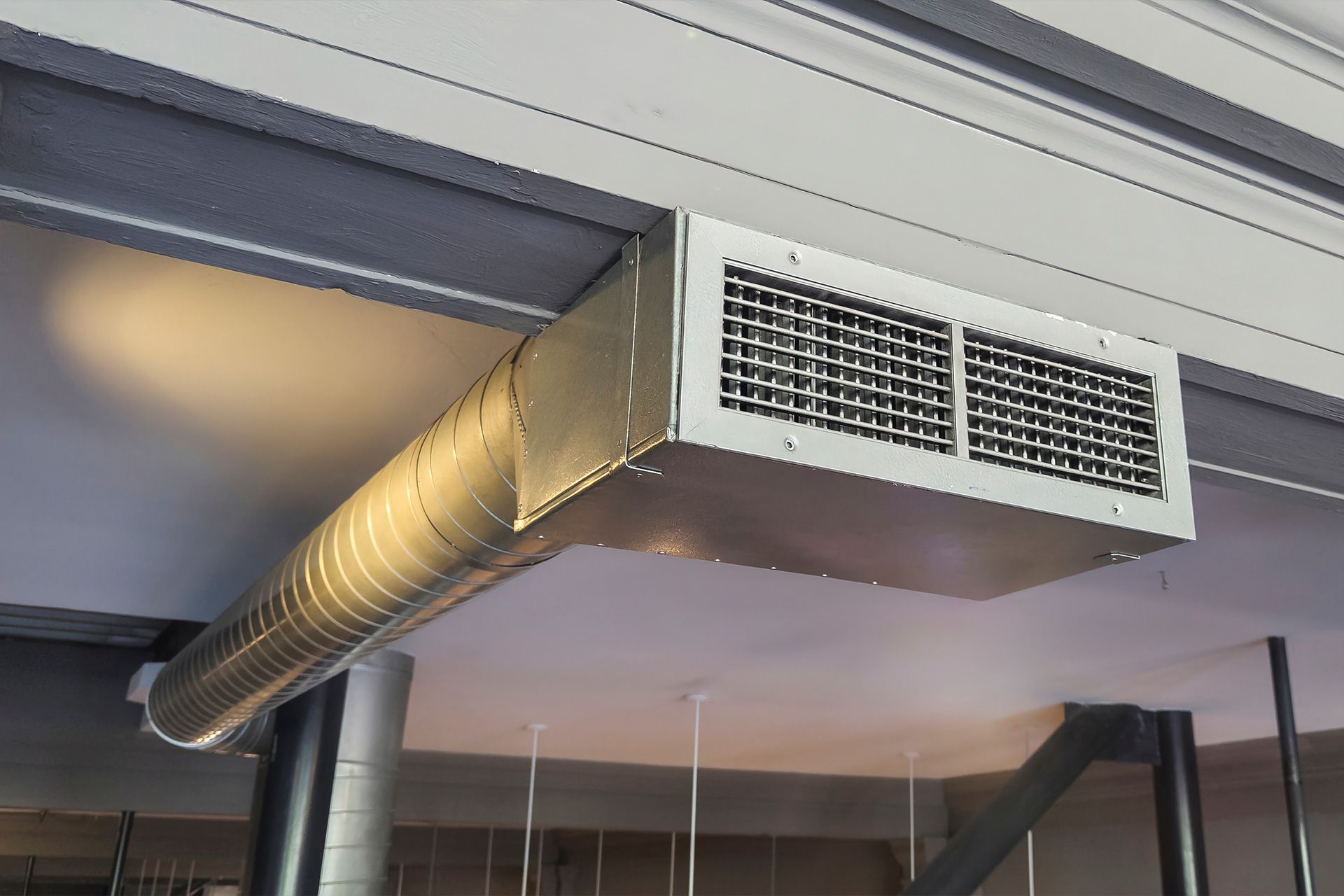
Your home’s HVAC ductwork plays a big role in keeping your house comfortable year-round. It carries warm or cool air from your heating and cooling system to every room. But over time, these ducts can develop leaks, and that can cause higher energy bills, uneven temperatures, and even poor air quality.
At GNV, we understand how frustrating it can be when your HVAC system isn’t working efficiently. In this article, we’ll explain the top signs your HVAC ductwork is leaking, what causes these problems, and how professional ductwork services can help you save energy and money.
Why Ductwork Leaks Happen
Before jumping into the signs, it’s helpful to understand why duct leaks occur. Over time, the metal or flexible materials in ducts can wear out, separate, or crack. Common causes include:
- Poor installation: Gaps or loose joints from improper setup.
- Aging materials: Older ducts can corrode or weaken.
- Vibrations: HVAC units can shake, loosening connections.
- Rodent damage: Pests sometimes chew through flexible ducts.
- Home renovations: Construction work can accidentally damage ducts.
Even small leaks can waste 20–30% of the air moving through your duct system, according to the U.S. Department of Energy. That means your HVAC system works harder and your utility bills go up.
1. Uneven Heating or Cooling
One of the first signs of leaking HVAC ductwork is uneven temperatures throughout your home. If one room feels too hot while another feels chilly, air might be escaping before it reaches certain vents.
This happens when leaks reduce air pressure in parts of your duct system, forcing your HVAC to work overtime just to keep up. If you constantly adjust the thermostat but can’t find a comfortable balance, duct leaks could be the culprit.
Pro Tip: Walk through your home and note any “hot spots” or “cold zones.” This helps HVAC technicians pinpoint problem areas faster.
2. Higher Energy Bills
Have you noticed that your energy bills are rising, even though your usage habits haven’t changed? Leaking ducts may be to blame.
When conditioned air leaks out, your system must produce more hot or cold air to maintain the temperature you set. That means longer run times, more wear on the system, and, unfortunately, higher costs.
A professional ductwork service can perform a pressure test to check for air loss. Sealing leaks not only reduces bills but also makes your HVAC last longer.
3. Excessive Dust Around Your Home
If you’re cleaning more often than usual or notice a layer of dust around vents, your HVAC ductwork might be drawing in dirty air from attics, crawl spaces, or basements.
Leaky ducts can pull in dust, insulation fibers, and other debris from unconditioned areas, spreading them throughout your living space. Besides being unpleasant, this can worsen allergies and indoor air quality.
To confirm the issue, check your vent covers. If they’re dusty soon after cleaning, it’s time to call a duct specialist.
4. Unusual Odors or Musty Smells
Another warning sign of leaking HVAC ductwork is strange or musty smells when your system is running. Air leaks can draw in unpleasant odors from damp basements, crawl spaces, or garages.
In some cases, moisture entering through gaps can promote mold growth, which produces a musty odor and poses health risks. If your home smells stale even after cleaning, don’t ignore it have your ducts inspected immediately.
5. Weak Airflow from Vents
Leaky ducts often lead to weak airflow. You might feel a little air coming out of certain vents even when the system is on full power.
This happens because some of the air escapes before reaching its destination. As a result, your rooms don’t heat or cool properly, and your system works harder to compensate.
A professional can test airflow levels using a manometer, a tool that measures air pressure. If pressure drops in certain areas, duct leaks are likely the cause.
6. Noisy HVAC Operation
If your HVAC system has started making whistling or rattling sounds, don’t ignore them. These noises often indicate air escaping through cracks or loose connections.
The whistling sound usually comes from air squeezing through small gaps, while rattling may mean that ducts are vibrating due to uneven airflow. Fixing these leaks early prevents damage to your system and improves comfort.
7. Poor Indoor Air Quality
Leaky ducts can draw in pollutants such as pollen, insulation dust, or even fumes from nearby storage areas. This affects your home’s air quality and can trigger allergies or respiratory issues.
If your family members are sneezing more often or you notice a musty or stale feeling in the air, your leaking HVAC duct system could be to blame.
How to Confirm Duct Leaks
If you suspect leaking ducts, here are some quick checks you can do before calling a professional:
- Visual inspection: Look for disconnected sections, loose tape, or damaged insulation.
- Hand test: With the system running, feel along the ducts for air escaping.
- Smoke test: Hold a stick of incense near duct joints; if the smoke wavers, air is leaking.
However, for accurate results, hire a certified HVAC technician. They use advanced tools like blower door tests and thermal imaging to find hidden leaks safely and efficiently.
Professional Ductwork Services: Why They Matter
DIY fixes can help temporarily, but professional ductwork services are essential for long-term results. Experts like the team at GNV can:
- Inspect and test your entire duct system
- Seal leaks using professional-grade materials
- Clean ducts to remove dust and debris buildup
- Insulate ducts to improve energy efficiency
- Balance airflow for even comfort in every room
With professional service, you’ll enjoy cleaner air, lower bills, and a more reliable HVAC system.
How to Prevent Future Duct Leaks
Once your ducts are sealed, keep them in good shape with these maintenance tips:
- Schedule annual HVAC tune-ups.
- Replace air filters every 1–3 months.
- Avoid placing heavy items on exposed ductwork.
- Seal attic and crawl space gaps to prevent moisture and pest damage.
- Have your ducts inspected after home renovations.
Regular care ensures your HVAC runs efficiently and extends the life of your system.
Final Thoughts
A leaking HVAC duct may seem like a small issue, but it can lead to wasted energy, poor comfort, and higher bills. Recognizing the signs early and calling trusted experts like GNV can make a big difference in your home’s comfort and efficiency.
Call GNV today for professional ductwork services and enjoy cleaner, more efficient airflow throughout your home!
FAQs About Leaking HVAC Ductwork
How can I tell if my ductwork is leaking without special tools?
If you notice uneven temperatures, higher bills, or whistling noises, those are common clues. You can also feel for escaping air near duct joints.
Can leaking ducts make my allergies worse?
Yes. Leaky ducts can pull in dust, pollen, and mold spores, which lower indoor air quality and worsen allergy symptoms.
How often should ducts be inspected?
It’s a good idea to have your ducts checked every 2–3 years, or sooner if you notice signs of leaks or poor airflow.
Are duct sealing and duct cleaning the same thing?
No. Duct cleaning removes dust and debris, while duct sealing fixes leaks to prevent air loss and improve efficiency.
What’s the best way to fix leaking ducts?
Professional duct sealing using mastic or metal-backed tape is the most reliable method. Avoid using common duct tape, it won’t hold up under HVAC conditions.
Disclaimer: The information on this website and blog is for general informational purposes only and is not professional advice. We make no guarantees of accuracy or completeness. We disclaim all liability for errors, omissions, or reliance on this content. Always consult a qualified professional for specific guidance.
Search Blog
Recent Posts